


Hot Towel Rail but Damp Towels? UK Drying Checklist
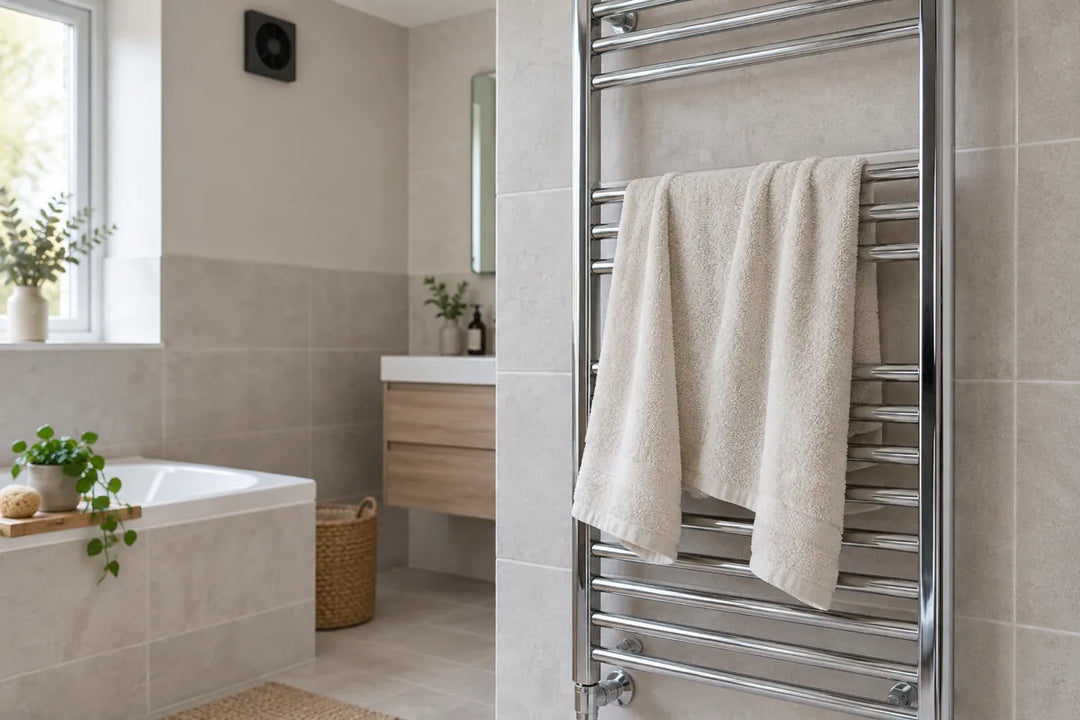
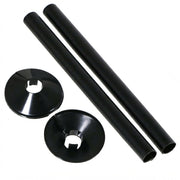
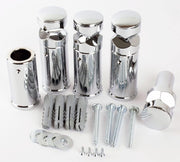
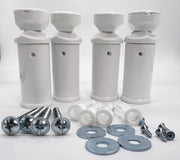
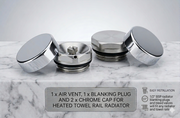
Illustrative image; use the selected model’s specification and instructions.
Quick answer
A warm towel radiator does not guarantee dry towels. Thick folds, several towels sharing a small rail, a short heating period and a humid bathroom can all slow drying. Check the towel arrangement, when the rail actually heats and how moisture leaves the room before assuming you need a hotter or larger radiator.
Warm towels and dry towels are different outcomes
A heated rail transfers warmth to a towel, but the water in the fabric still needs to evaporate and leave the surrounding air. A towel can feel warm on the outside while inner folds remain damp. Touching the rail briefly does not tell you whether the towel has had enough drying time.
In a steamy bathroom, ventilation is part of the picture. The government’s damp and mould guidance explains why moisture from household activities needs an effective route out. Extra heat should not be treated as a substitute for checking ineffective extraction or a separate damp problem.
First check how towels sit on the rail
Within the product’s intended use and loading instructions, give each towel room rather than stacking several over the same bars. Try a less tightly folded arrangement and keep towels from bunching together. A narrow radiator may fit a small wall perfectly while offering limited practical hanging space for a whole family.
Compare like with like: a thick bath sheet starts with a different drying task from a small hand towel. Avoid judging the rail by a heavily saturated towel taken straight from a bath or by several wet towels piled together. Follow the towel’s laundering and drying label as well as the radiator instructions.
| What you notice | What to check next |
|---|---|
| Outer fabric warm; inner folds damp | Reduce bunching and allow space around the fabric. |
| Rail cools soon after showering | Check the actual heating schedule and controls. |
| Room stays steamy after use | Check fan operation, maintenance and ventilation. |
| Rail has a persistent cold area | Investigate the heating symptom separately. |
| One towel dries; several do not | Consider the towel load and available hanging space. |
Check when the rail actually produces heat
A central-heating towel rail follows its circuit and controls. If the heating finishes before the towel is hung up, the rail may simply cool during the period when drying is needed. A thermostatic valve can also restrict water flow when its sensor reaches its selected condition.
Review the user settings with the installer’s instructions. Do not open lockshields at random or turn up the entire system merely to chase a drying time. Our manual and thermostatic valve guide explains the different control functions.
Electric-only and dual-fuel products have their own permitted operation and controls. Compare electric versus dual-fuel towel rails if you want to understand those options; do not assume a central-heating listing includes an electric element. Use our UK electric towel radiator cost calculation when considering a separate electric drying period.
Give moisture a route out of the bathroom
Check that the extractor operates as intended during and after bathroom use. Leave background vents unobstructed and follow the home’s ventilation instructions. The government ventilation guide for existing homes in England explains why removing moist indoor air matters and recommends regular fan cleaning.
Visible dust at an intake is worth investigating, but noise alone is not proof of adequate extraction. Our extractor fan cleaning and care checklist separates safe homeowner checks from work for an electrician. If ventilation remains poor, arrange an assessment of the whole route rather than relying on a longer timer alone.
Choose hanging space and room heat separately
The 200mm-wide, 600mm-high black central-heating towel rail is an example of a compact option. The 300mm-wide, 600mm-high chrome central-heating rail has different overall dimensions. Neither listing establishes a universal number of towels it will dry or a guaranteed drying time.
Measure the actual towels and usable hanging area as well as wall space. Compare narrow towel radiator options for restricted walls or wider towel rails where more width is available. Separately, confirm the model’s output against the room’s heating requirement. More hanging space and adequate room heat are related buying considerations, but they are not interchangeable measurements.
When a different problem needs attention
If the rail itself does not heat normally, use our cold towel radiator troubleshooting guide rather than treating that as a towel-arrangement issue. Persistent damp or mould in the room also needs its cause assessed. A radiator purchase cannot establish whether there is a leak or building defect.
Keep a simple drying record before replacing the rail
Compare similar towels, starting dampness and hanging arrangements over a few normal uses. Note when the rail is actually heating, whether towels overlap and whether the room stays humid afterwards. Change one ordinary arrangement or permitted user setting at a time so the observation is useful.
This is a practical comparison, not a laboratory drying test. It cannot establish a guaranteed drying time or an energy saving. If upper or lower bars stay persistently cold, use the separate heating-symptom checks. Use the main maintenance guide for finish care, damp joints and when to ask for help.
If moisture clearance is the problem, the bathroom ventilation buying and care guide links the route, controls and cleaning checks. A hotter rail does not establish that extraction is adequate.
Common towel-drying questions
How many minutes should a towel take to dry?
There is no reliable universal time. Fabric, starting moisture, arrangement, heating operation and ventilation differ. Do not use an advertised rail wattage to promise a drying time.
Will a larger rail solve the problem?
It may provide more usable hanging space, but check the cause first. A larger rail does not fix a failed fan or a heating circuit that is not operating.
Should I run the rail continuously?
Follow its intended use and controls. Assess your routine and any extra energy use rather than assuming continuous operation is necessary.
Related planning guide
Return to the towel radiator care and maintenance guide and the bathroom moisture assessment guide.

About the Author
Huseyin Aras is a Bathroom Heating & Product Sourcing Specialist at Coventry Towel Radiator with over 18 years of experience in towel radiators, bathroom heating systems, supplier sourcing, and modern home comfort solutions.
About Huseyin and his guides