

15mm-to-8mm Radiator Valve Reducers: What to Check Before Buying
Quick answer
A 15mm-to-8mm reducer may connect confirmed 8mm outside-diameter pipe to a compatible 15mm compression valve inlet. Check the exact valve and reducer instructions, the pipe material and the condition of the existing connection first. A radiator-side thread is a separate measurement.

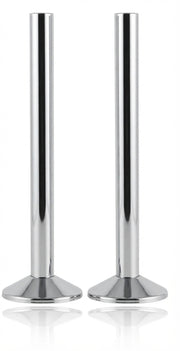
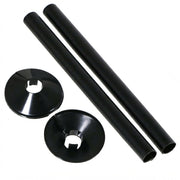
Fitting reference only. Appearance does not confirm dimensions, thread or suitability for a particular valve and pipe.
An 8mm heating pipe can sometimes be retained when a radiator valve is replaced, provided the valve, reducer and pipe form an approved connection. The task is to establish that complete arrangement before buying parts—not simply find a nut that screws onto the valve.
For the wider comparison with 10mm pipe and other connection types, start with our radiator valve reducer guide.
1. Confirm that the pipe is actually 8mm
Measure a straight, accessible section of the tube itself. A decorative sleeve, valve nut or compressed end will not give a reliable tube diameter. Let the pipe cool before handling it; do not undo a joint just to obtain a measurement.
Record the material and any visible pipe-system markings as well as the diameter. If coatings or damage make the result uncertain, ask an installer to identify it. Our microbore pipe measuring guide explains how to collect useful readings without dismantling the connection.
2. Identify the pipe-side valve connection
Check the valve model and its installation instructions. The description “15mm” does not mean that every nut, olive and reducer sold with that size is interchangeable. The valve body must accommodate the specified reducing arrangement and allow the pipe to reach the required insertion depth.
Check what comes in the valve box too. Some valves include reducing components; buying another pair may be unnecessary. Keep the radiator-side connection details separate from the pipe inlet when discussing the replacement with an installer.
3. Match the reducer design and parts
A one-piece compression reducer and a separate reducing sleeve with an olive are different arrangements. Do not combine their assembly sequences or add an extra olive unless the instructions expressly require it. Confirm which nut, sealing parts and orientation the selected fitting uses.
Once the complete connection is confirmed, compare the specification and package contents of our pair of 15mm-to-8mm radiator valve reducers. Product photographs help identify the form of the part; they do not establish compatibility with an unidentified valve.
4. Treat plastic-pipe approval as a separate check
An arrangement permitted on copper is not automatically permitted on plastic. Identify the pipe system and the support insert specified for a compression connection, then confirm that the reducer material and valve inlet are allowed by that system.
An insert supports the tube; it does not make an otherwise unsuitable reducer compatible. See the plastic-pipe connection checklist if the pipe is plastic or its identity is uncertain.
5. Check alignment and access before work starts
The pipe should meet the valve without being pulled sideways or forced upwards to make the joint close. Allow access for the tools and for counterholding the valve. A reducer does not correct mismatched radiator pipe centres or damaged tube.
Before opening any joint, the system must be cool and safely isolated, with pressure relieved or water drained as the installation requires. Use a heating installer if you cannot establish a safe isolation method or the work is outside your competence.
Watch the fitting-check overview
What should you give your installer?
- The measured pipe diameter, material and visible system markings.
- The exact valve and reducer models, with their fitting instructions.
- Photographs showing the pipe approach, old connection and available working space.
- Details of any previous leak, flattened pipe or damaged fitting.
Ask the installer to confirm the permitted parts, preparation, insertion and tightening method, then test the completed connection through the appropriate refill and heating checks. There is no single tightening torque or turn count that applies to every 8mm reducer.

About the Author
Huseyin Aras is a Bathroom Heating & Product Sourcing Specialist at Coventry Towel Radiator with over 18 years of experience in towel radiators, bathroom heating systems, supplier sourcing, and modern home comfort solutions.
About Huseyin and his guides