


Planning Bathroom Towel Heating in UK Homes

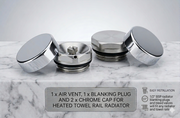
Illustrative image; use the selected model’s specification and instructions.
Quick answer
Plan bathroom heat and towel drying together, while checking ventilation separately. Choose a model that fits the full layout and provides the required output under the intended operating conditions.
Start with daily use
Consider who uses the room, how many towels need hanging and when heat is needed. A compact rail with several towels tightly folded on it may be inconvenient even if its body fits.
Check layout and installation
Keep access to valves and controls, account for door movement and use the specified clearances. Electric and dual-fuel models need a proper electrical location assessment. Read the installation guide.
Match output and controls
Compare the room heat requirement, model rating and planned operating schedule. See the bathroom heating design sequence and the heating-type guide.
Frequently asked questions
Should I plan for towel warming or room heating first?
State whether the rail needs to do one job or both. Confirm the room requirement separately from the hanging space and daily towel routine.
Does a rail that fits the wall necessarily suit the household?
No. Check usable towel gaps, practical reach, controls and movement as well as body dimensions. Several tightly layered towels may be awkward even on a physically fitting rail.
Can a timer guarantee dry towels at a fixed time?
No. A timer controls an operating period; drying also depends on available heat, towel arrangement and moisture removal. Observe the actual result without promising a universal duration.
What if space and room heat cannot be met by the same rail?
Discuss another model, layout or supplementary emitter with the installer. Keep ventilation assessment separate from the heating compromise.
Next useful guide
Read the complete planning guide. Browse narrow towel radiators once the specification is clear.

About the Author
Huseyin Aras is a Bathroom Heating & Product Sourcing Specialist at Coventry Towel Radiator with over 18 years of experience in towel radiators, bathroom heating systems, supplier sourcing, and modern home comfort solutions.
About Huseyin and his guides